
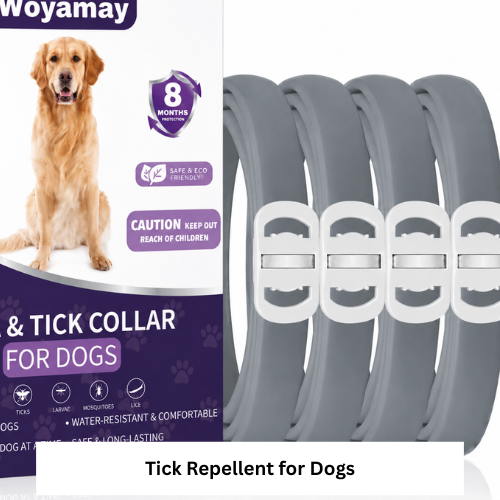
Choosing tick repellent for dogs should begin with the dog’s age, weight, health history, coat type, destination, walk length, and local tick exposure. A wooded hike may involve more risk than a brief walk on a paved city route, but ticks can also be encountered in grassy yards, brush, parks, and neighborhood areas.
No collar, tag, spray, shampoo, or veterinary product can replace checking the dog after outdoor activity. CDC recommends daily tick checks for pets that spend time outside and advises removing attached ticks promptly.
Owners using shoo tag for dogs products should still build a broader outdoor dog safety routine that includes trail choices, coat inspection, veterinary advice, and correct product use.
How to Select Tick Repellent for Dogs
Tick repellent for dogs is available in several forms, including veterinary medications, collars, sprays, shampoos, wearable tags, and other topical products.
A safe natural tick repellent guide can help owners compare different approaches while reviewing ingredients, fit, application, and realistic limits.
Before selecting a product, confirm:
- It is intended for dogs.
- The dog meets the minimum age.
- The weight range is correct.
- The product is compatible with the dog’s health.
- Instructions cover bathing and swimming.
- The protection period is clear.
- The active ingredients are disclosed.
- The dog is not already using an incompatible product.
- The manufacturer provides adverse-reaction guidance.
FDA and EPA advise following the full product label and using flea and tick products only on the species, age, and weight range stated on the packaging.
| Option | Main use | Possible advantage | Important limitation | What to verify |
| Veterinary oral preventive | Ongoing systemic protection | Convenient scheduled dosing | Prescription and health suitability vary | Dog history and tick species covered |
| Topical product | Applied to the dog’s skin | May provide ongoing protection | Requires correct placement and drying | Weight range and bathing interval |
| Tick collar | Continuous wearable option | Easy to leave in place | Fit, contact, and reactions require monitoring | Age, neck size, active ingredient |
| Natural spray | Applied before outdoor exposure | Can target coat or gear when label permits | Duration may be short | Ingredients and reapplication |
Wearable Tick Tags
A tick repellent tag attaches to the dog’s normal collar.
A natural tick repellent tag guide can help owners review tag attachment, replacement timing, collar compatibility, and outdoor use.
Check that the tag:
- Sits securely on the collar
- Does not reach the mouth
- Does not interfere with identification
- Does not hit a food or water bowl
- Cannot snag easily
- Has clear replacement instructions
- Can withstand expected weather
- Does not create noise or discomfort
A tag may be one layer of protection, but it should not replace daily checks or veterinary-recommended prevention in high-risk locations.
Tick Sprays
Sprays may be applied to the coat, outdoor gear, bedding, or another listed surface depending on the label.
Browse natural tick shield sprays when comparing products intended for dog or environmental use.
Before spraying:
- Read the full ingredient list.
- Check age restrictions.
- Keep the product away from eyes and mouth.
- Apply in a ventilated area.
- Follow coat and skin directions.
- Observe the required drying time.
- Check bathing restrictions.
- Wash hands after use.
- Prevent licking until permitted.
Do not apply a home, yard, or gear spray directly to the dog unless the label specifically permits it.
Natural oils can still cause irritation or illness when used incorrectly.
Preparing for Hiking and Camping
For outdoor trips, pack:
- Approved tick preventive
- Tick-removal tool
- Fine-tipped tweezers when recommended
- Gloves
- Small container or sealed bag
- Flashlight
- Clean water
- Dog first-aid supplies
- Veterinarian contact details
- Current identification
A dog camping flea and tick guide can help owners plan protection, daily checks, sleeping areas, and product storage during longer outdoor trips.
Keep the dog away from dense brush and uncontrolled wildlife contact.
Inspect tents, blankets, crates, and vehicle areas before returning home.
Post-Walk Tick Checks
Check the dog immediately after returning and again later if exposure was significant.
CDC highlights several common tick locations on dogs, including around the ears, eyelids, collar area, front legs, hind legs, toes, and tail.
Examine:
- Inside and around the ears
- Around the eyes
- Under the collar
- Beneath the harness
- Under the front legs
- Groin
- Between the toes
- Around the tail
- Under long fur
- Around the lips and chin
Use good lighting and part the coat slowly.
Run hands across the skin to feel for small bumps.
Removing an Attached Tick
A safe tick remover tool guide can help owners compare hooks, tweezers, and other tools intended for controlled removal.
Remove an attached tick promptly and carefully.
Avoid:
- Crushing the tick with bare fingers
- Burning it
- Covering it with petroleum jelly
- Twisting with an unsuitable tool
- Pouring household chemicals over it
- Pulling suddenly without proper grip
Contact a veterinarian when the tick is difficult to remove, part remains embedded, the area becomes swollen, or the dog develops illness.
Wash hands and clean the tool after removal.
Watch for Illness After Exposure
Tickborne illness can develop after the walk rather than immediately.
Contact a veterinarian when the dog develops:
- Fever
- Low energy
- Reduced appetite
- Lameness
- Joint discomfort
- Swollen lymph nodes
- Weakness
- Pale gums
- Unusual bruising
- Neurologic signs
Record the date and location of possible exposure and keep the tick when a veterinarian recommends identification or testing.
Outdoor Gear and Household Entry
Ticks can travel on leashes, harnesses, blankets, clothing, and other gear.
After the walk:
- Inspect the leash and harness.
- Check blankets and carriers.
- Examine your clothing.
- Clean gear as directed.
- Check other pets.
- Inspect the vehicle.
- Keep outdoor gear separate until checked.
- Wash hands.
CDC notes that ticks can be carried indoors on pets and may then contact people.
Common Buying Mistakes
Choosing by the Word Natural
Natural ingredients can still cause skin, digestive, or neurologic reactions.
Ignoring Tick Species
Products may not cover every tick species or stage.
Buying the Wrong Weight Range
Incorrect sizing can reduce effectiveness or increase risk.
Applying Human Repellent to a Dog
Human skin or clothing products should not be placed on dogs unless specifically approved for that use.
Skipping Daily Checks
No product removes the need to inspect the dog after outdoor exposure.
Using Several Products Together
Overlapping ingredients can increase the risk of adverse reactions.
Forgetting Water Exposure
Swimming and bathing may affect some products.
Troubleshooting
A Tick Is Found Despite Using Repellent
Remove it promptly, review application and replacement timing, and discuss the prevention plan with a veterinarian.
The Dog Scratches After a Spray
Stop use, inspect the skin, prevent licking, and follow the product’s adverse-reaction instructions.
A Tag Keeps Falling Off
Check the attachment ring, collar thickness, and replacement hardware.
A Collar Becomes Loose
Adjust it according to the label and replace it if the material or buckle is damaged.
Ticks Are Found After Every Walk
Reassess the route, local tick activity, product suitability, application, coat checks, and veterinary prevention plan.
Cleaning and Maintenance
For reusable tags, tools, collars, and outdoor gear:
- Follow product-specific cleaning directions.
- Remove dirt and hair.
- Dry all items fully.
- Inspect clips and rings.
- Check collar material.
- Clean tick tools after every use.
- Record replacement dates.
- Keep packaging and labels.
- Store products away from children.
Do not wash treated collars or tags unless the instructions permit it.
Warranty, Returns, and Replacement Parts
Before buying, review:
- Return period
- Opened-product restrictions
- Collar or tag warranty
- Replacement duration
- Attachment-ring availability
- Spray expiration date
- Damaged-product support
- Delivery tracking
- Manufacturer contact information
- Adverse-event reporting details
Verify the product and weight range immediately after delivery.
Conclusion
Tick repellent for dogs should be chosen according to the individual dog, local tick risks, outdoor activity, product label, and veterinary guidance. Combining an appropriate preventive with safer route selection, daily coat checks, prompt tick removal, and careful monitoring provides a more complete outdoor-protection plan.
FAQ
Should I check my dog for ticks after every walk?
Check after walks involving grass, brush, woods, parks, or other possible tick habitat and perform regular daily checks for outdoor dogs.
Can a natural tick spray replace veterinary prevention?
Not necessarily. Product effectiveness and duration vary, especially in high-risk areas.
Where are ticks commonly found on dogs?
Check the ears, eyelids, collar area, legs, toes, groin, tail, and beneath thick fur.
Can I use human tick repellent on my dog?
Do not apply a human product to a dog unless its label specifically permits that use.
When should I call a veterinarian after a tick bite?
Call if removal is difficult, the site becomes inflamed, or the dog develops fever, weakness, poor appetite, lameness, or other illness.
