
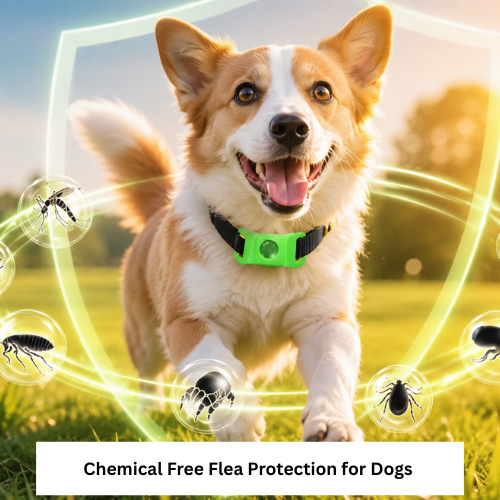
Choosing chemical free flea protection usually means looking for non-pesticide tools, physical flea removal, household cleaning, wearable tags, grooming products, or plant-based options. These approaches may appeal to owners who want to reduce their dog’s exposure to conventional flea-control ingredients, but no single method is appropriate for every dog or every level of infestation.
Fleas can affect a dog’s skin and comfort and may become established inside carpets, bedding, furniture, and other parts of the home. A veterinarian can help owners select an appropriate prevention plan based on the dog’s age, weight, health, lifestyle, local parasite risks, and current flea burden.
The FDA and EPA advise pet owners to read flea and tick product labels carefully, use products only for the listed animal and weight range, and monitor pets for adverse reactions.
What Chemical Free Flea Protection Can Include
Chemical free flea protection can involve several methods used together rather than one product that claims to solve the entire problem.
Common options include:
- Flea combing
- Regular bedding washing
- Vacuuming carpets and furniture
- Wearable flea tags
- Mechanical barriers
- Yard maintenance
- Grooming and coat inspection
- Non-pesticide shampoos
- Environmental cleaning
- Veterinary skin and parasite checks
A detailed all-natural flea prevention guide can help owners compare wearable, grooming, household, and outdoor approaches before purchasing a specific product.
The term natural does not automatically mean risk-free, effective, hypoallergenic, or suitable for puppies. Essential oils, concentrated plant ingredients, fragrances, and household remedies may irritate the skin or be unsafe when swallowed.
| Method | Main purpose | Possible advantage | Important limitation | What to verify |
| Flea comb | Finds and physically removes fleas | No medication is applied | Requires frequent careful use | Tooth spacing and handle grip |
| Wearable flea tag | Provides a passive wearable option | Easy to attach when compatible | Performance and duration vary | Dog size, attachment, claims |
| Non-pesticide shampoo | Cleans coat and may remove debris | Useful during grooming | May not provide continued protection | Ingredients and age guidance |
| Vacuuming | Removes fleas, eggs, and debris from surfaces | Supports home control | Must be repeated regularly | Bag or canister disposal |
Understand the Limits of Non-Toxic Claims
Labels such as non-toxic, natural, chemical-free, herbal, or eco-friendly can mean different things on different products.
Before buying, check:
- Full ingredient list
- Product mechanism
- Intended animal
- Minimum age
- Weight restrictions
- Application area
- Duration claim
- Reapplication instructions
- Water exposure guidance
- Contact details for the manufacturer
Verify whether the product is intended to repel fleas, kill fleas, remove fleas physically, or simply support coat care.
A product that does not use a conventional insecticide may still contain active plant oils or other substances capable of causing irritation.
Wearable Flea Tags
A flea and tick tag is normally attached to the dog’s collar rather than applied to the skin.
A natural flea and tick tag guide can help owners compare tag attachment, replacement timing, dog size, outdoor use, and manufacturer instructions.
Before using a tag, confirm:
- It is intended for dogs.
- The tag fits the collar hardware.
- It cannot reach the dog’s mouth.
- It does not interfere with identification tags.
- It does not create a snagging hazard.
- The replacement schedule is clear.
- Water and bathing instructions are provided.
- The dog’s normal collar still fits correctly.
A wearable tag should not replace daily observation or veterinary care when fleas are already present.
The brand shoo tag for dogs should be considered as one part of a wider flea-control routine rather than a guarantee that a dog or home will remain completely flea-free.
Flea Combs and Physical Removal
A fine-toothed comb can help owners check for fleas, flea dirt, skin irritation, scabs, and coat changes.
Browse flea combs for dogs when choosing a tool that matches the dog’s coat length, thickness, and body size.
Use the comb carefully around:
- Face
- Ears
- Neck
- Armpits
- Groin
- Tail base
- Belly
- Areas where the dog scratches
Work in a well-lit location and part thick fur in sections.
Stop if the dog shows pain or if the skin is broken, swollen, bleeding, or heavily inflamed.
A comb can remove visible fleas but does not address all life stages in the home.
Natural Flea Collars
Some collars use plant-based oils or nontraditional materials.
A natural flea collar buying guide can help shoppers review collar length, adjustment, active ingredients, age limits, and replacement schedules.
Check that the collar:
- Fits with room for comfortable movement
- Is not too loose
- Does not press tightly against the skin
- Has no damaged edges
- Does not interfere with a leash or harness
- Is approved for the dog’s age
- Is stored away from children and other pets
Do not place a dog flea collar on a cat unless the product specifically lists cats.
The FDA notes that flea and tick products must be selected and used according to the label, and owners should monitor for symptoms such as vomiting, diarrhea, excessive salivation, poor appetite, wobbliness, tremors, or seizures.
Grooming and Shampoo Options
A shampoo can clean the coat and help owners inspect the skin, but washing alone may not prevent reinfestation.
Check:
- Dog age
- Coat type
- Skin sensitivity
- Active ingredients
- Fragrances
- Contact time
- Eye and mouth precautions
- Rinsing requirements
- Frequency of use
Do not combine multiple shampoos, sprays, collars, oils, or topical treatments without veterinary guidance.
Frequent bathing can dry or irritate some dogs’ skin.
Home Flea Control
Adult fleas found on the dog may represent only part of the problem.
A practical natural dog flea prevention plan should include the places where the dog sleeps, rests, and spends time.
Possible household steps include:
- Washing pet bedding
- Vacuuming rugs and upholstery
- Cleaning beneath furniture
- Washing removable covers
- Inspecting crates
- Cleaning vehicle upholstery
- Treating all pets appropriately
- Monitoring for continued activity
Dispose of vacuum contents according to the equipment and pest-control instructions.
Do not apply a home or carpet product directly to the dog unless the label explicitly permits pet application.
Outdoor Flea Exposure
Fleas may be encountered in shaded outdoor areas, kennels, shelters, yards, or places visited by other animals.
Reduce possible habitat by:
- Removing leaf litter
- Keeping grass maintained
- Cleaning outdoor bedding
- Limiting wildlife access
- Repairing crawl-space openings
- Keeping resting areas dry
- Cleaning kennels
- Checking the dog after outdoor activity
Avoid applying unverified oils or household mixtures across the yard where dogs, wildlife, children, or beneficial insects may be exposed.
Puppies, Older Dogs, and Dogs With Health Conditions
Product suitability can change for:
- Young puppies
- Pregnant or nursing dogs
- Senior dogs
- Dogs with seizures
- Dogs with skin disease
- Dogs taking medication
- Underweight dogs
- Dogs with previous reactions
Ask a veterinarian before starting a new flea-control method for a medically vulnerable dog.
Do not assume a product is safe for a puppy because it is described as natural.
Signs the Current Plan Is Not Working
The flea plan may need reassessment when:
- Live fleas remain visible.
- Flea dirt continues appearing.
- Scratching becomes more frequent.
- Hair loss develops.
- Skin becomes red or inflamed.
- Other pets begin scratching.
- Fleas appear on bedding or furniture.
- The dog becomes restless.
- The home requires repeated treatment.
Persistent fleas may require an integrated plan combining pet treatment, environmental control, and professional advice.
Adverse Reactions
After applying or attaching any new product, observe the dog.
Possible warning signs include:
- Skin redness
- Swelling
- Excessive scratching
- Vomiting
- Diarrhea
- Drooling
- Trembling
- Weakness
- Poor coordination
- Seizures
EPA guidance says a flea or tick collar should be removed immediately if the animal develops an adverse reaction, and owners should contact a veterinarian and follow reporting instructions.
For a severe reaction, breathing difficulty, collapse, or seizure, seek urgent veterinary care.
Common Buying Mistakes
Believing Natural Means Guaranteed Safe
Natural substances can still irritate the skin, eyes, digestive system, or nervous system.
Choosing Without Checking Dog Size
Collars and tags may not fit every neck or collar setup.
Treating Only the Dog
Flea eggs and immature stages may remain in bedding, carpets, furniture, and other environments.
Combining Several Products
Using multiple collars, sprays, oils, shampoos, or supplements may increase the risk of adverse effects.
Ignoring Product Purpose
A grooming product may not provide ongoing flea prevention.
Expecting Immediate Results
Environmental control often requires repeated cleaning and monitoring.
Troubleshooting
Fleas Return After Bathing
Inspect bedding, carpets, furniture, other pets, and outdoor areas. A shampoo may remove fleas present during the bath without preventing new exposure.
The Dog Scratches Under a Collar or Tag
Remove the item and inspect the skin. Do not reapply until the cause has been evaluated.
The Tag Falls Off
Check the attachment method, collar hardware, and whether replacement parts are available.
The Comb Pulls the Coat
Use smaller sections, remove tangles first, and choose a comb suited to the coat type.
Fleas Remain After Home Cleaning
Vacuum and wash repeatedly as appropriate and discuss an integrated treatment plan with a veterinarian or qualified pest professional.
Cleaning and Maintenance
For reusable tags, combs, collars, and grooming tools:
- Follow the manufacturer’s cleaning instructions.
- Remove hair and debris.
- Dry the item fully.
- Inspect for cracks.
- Check attachment rings.
- Replace worn collar material.
- Store products in original packaging.
- Record the installation or opening date.
Do not wash electronic, coated, or treated tags unless the instructions permit it.
Warranty, Returns, and Support
Before ordering, review:
- Return period
- Opened-item restrictions
- Collar or tag warranty
- Replacement schedule
- Attachment-part availability
- Satisfaction guarantee terms
- Delivery tracking
- Damaged-item process
- Customer-support contact
- Adverse-event reporting instructions
Inspect the product immediately after delivery and verify all listed parts before using it on the dog.
Conclusion
Chemical free flea protection can support a low-exposure flea-control plan through grooming, tags, household cleaning, coat checks, and environmental management. Its effectiveness and safety depend on the dog, product, flea burden, home environment, and correct use, so persistent infestations or health concerns should be discussed with a veterinarian.
FAQ
Can chemical-free methods completely prevent fleas?
Not always. Effectiveness varies, and heavy infestations may require an integrated veterinary and environmental plan.
Is a natural flea collar safe for every dog?
No. Check age, size, ingredients, fit, health history, and possible skin sensitivity.
Does flea combing replace preventive treatment?
A comb can find and remove visible fleas but may not control every flea life stage or prevent reinfestation.
How often should dog bedding be cleaned?
Clean it regularly and more frequently when flea activity is suspected, following the fabric-care instructions.
When should I contact a veterinarian?
Contact a veterinarian for persistent fleas, severe scratching, hair loss, skin sores, illness, or a suspected product reaction.
