
Tick Remover Tools
Compare tick-removal tools by tip shape, grip, ease of cleaning and suitability for careful manual removal.



Tick Remover Tools
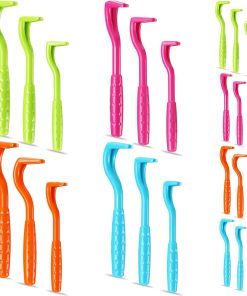
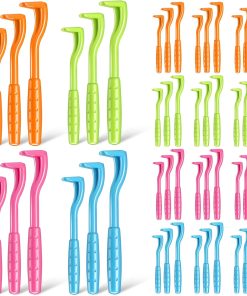
6 pack Pro-tick Remedy Deer Tick Dog Tick Lone Star Tick Remover


Tick Remover Tools


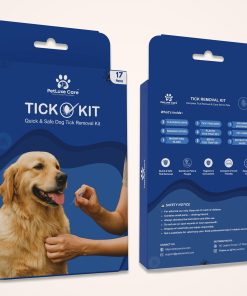


Tick Remover Tools


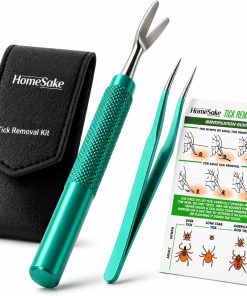


Tick Remover Tools


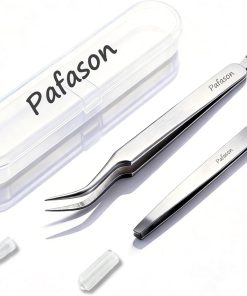
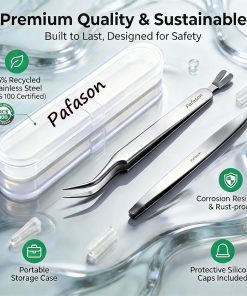


BUYER'S EDITION
Tick-Removal Tool Buying Guide
The tool should let you grasp the tick close to the skin without squeezing the body. Review technique and hygiene guidance before use.
Compare Tick Removal Tool Shapes
| Tool style | Buyer consideration | Use reminder |
|---|---|---|
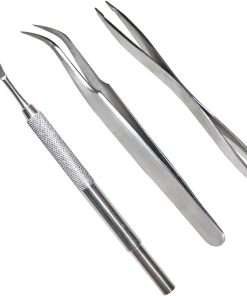
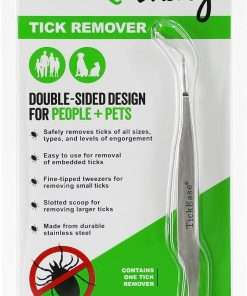
| Fine-tip tweezers | Reach close to skin and tick mouthparts | Pull steadily according to reliable guidance |
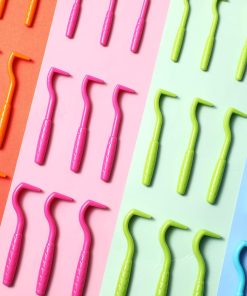
| Hook-style removers | Tool width and access around coat | Use the specific manufacturer method |
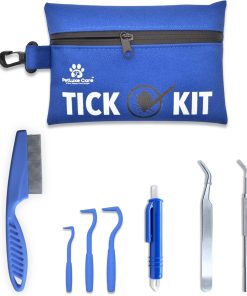
| Tick-remover kits | Included sizes and storage | Check contents and cleaning instructions |
Tick Remover Tools for Safer Dog Care
Tick remover tools give dog owners a practical way to handle ticks during outdoor season. Dogs can pick up ticks during walks, hikes, yard play, camping trips, and visits to grassy or wooded areas. Therefore, keeping a tick remover tool at home or in a travel bag can help you act quickly when you find an attached tick.
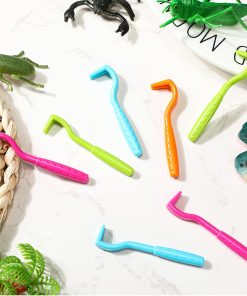
This category includes tick twisters, tick pullers, stainless steel tweezers, plastic removal tools, portable tick kits, and comb-style accessories. Moreover, many options work for dogs, cats, and sometimes humans, depending on the product design.
Why Use a Tick Remover Tool?
A proper tick removal tool helps improve control and reduces the chance of squeezing the tick too aggressively. Quick and careful removal can support better pet comfort and a cleaner grooming routine.
Key benefits include:
- Helps remove attached ticks with better control
- Useful after walks, hikes, camping, and outdoor play
- Works well for checking dogs during tick season
- Offers portable options for travel and pet bags
- Helps dog owners inspect skin and coat more carefully
- Supports regular flea and tick prevention routines
- Provides a simple tool for emergency pet-care kits
In addition, small tick tools are easy to store in grooming kits, cars, backpacks, or first-aid bags.
What to Check Before Buying
Before choosing a tick remover tool, compare the design with your dog’s coat, size, and outdoor routine.
- Tool Style
First, choose between a tick twister, puller, fine-tip tweezer, hook, comb, or full removal kit. - Grip and Control
Next, look for a tool that lets you reach close to the skin without slipping. - Material Quality
Stainless steel tools offer durability, while lightweight plastic tools can work well for portable use. - Travel Convenience
Finally, consider a small kit with a pouch or storage case if your dog spends time outdoors often.
Best Use Tips for Tick Removal
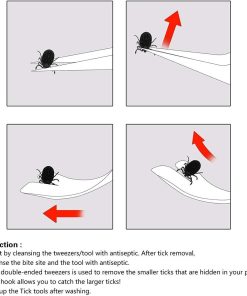
Tick remover tools work best when you use them slowly and carefully. First, part your dog’s fur so you can see the tick clearly. Then, follow the product instructions and remove the tick without twisting, pulling, or squeezing in a way the tool does not recommend.
For better results:
- Check your dog after outdoor activity
- Focus on ears, neck, belly, legs, and tail area
- Use the tool close to the skin
- Clean the bite area after removal
- Dispose of the tick safely
- Contact a veterinarian if anything looks unusual
Browse tick remover tools to find practical pet-care accessories that help make tick checks, outdoor routines, and dog grooming easier to manage.
Related Hub / Pillar
Tick Remover Tools for Dogs: Compare Grip and Removal MethodFrequently Asked Questions
What makes a tick remover suitable for dogs?
Control, access and the ability to grip near the skin are important. Follow evidence-based removal guidance.
Should I use petroleum jelly or heat on an attached tick?
No. Avoid heat or substances intended to make the tick detach. Use an appropriate removal method.
How should I clean tick-removal tools?
Follow manufacturer cleaning directions and wash your hands after handling a tick.