
Flea Sprays
Find flea sprays for different approved uses, comparing pet-use instructions, household applications and ingredient information.
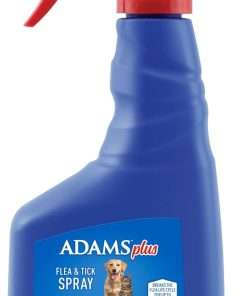
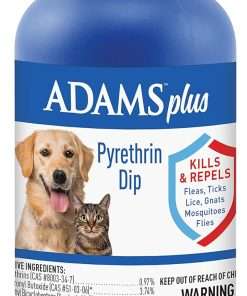

Flea Sprays
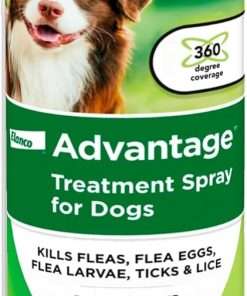
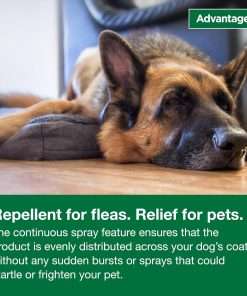


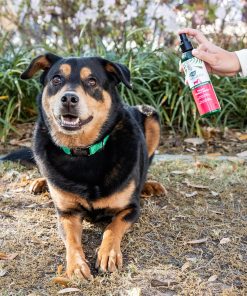


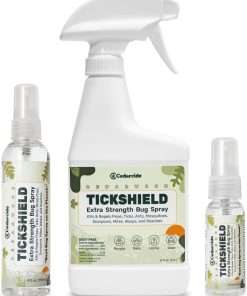


Flea Sprays


Flea Sprays


BUYER'S EDITION
Flea Spray Application Guide
Flea sprays in the catalog may be for direct pet use or household treatment. Their labeled use areas are not interchangeable.
Compare Flea Spray Types
| Spray purpose | What to compare | Critical precaution |
|---|---|---|
| Direct pet-use sprays | Species, age and coat application | Use on dogs only when explicitly permitted |
| Household or carpet sprays | Approved rooms and surfaces | Respect drying and re-entry requirements |
| Concentrates | Dilution and number of treatments | Mix only to the manufacturer's rate |
| Outdoor/kennel products | Approved locations and coverage | Check restrictions around animals and runoff |
Flea Sprays for Dogs and Home Pest Control
Flea sprays give dog owners a flexible way to manage fleas, ticks, and related pests around pets and indoor spaces. Fleas can hide in more than one place, including your dog’s coat, bedding, carpets, rugs, furniture, and kennel areas. Therefore, a spray can help target specific problem zones quickly and directly.
This category includes flea and tick sprays for dogs, household flea sprays, cedar oil sprays, spot treatment sprays, kennel sprays, and formulas made for bedding or carpets. Moreover, some products focus on direct pest control, while others support repellent-style protection.
Why Choose Flea Spray?
Flea spray works well when you need targeted application. Instead of treating an entire room or relying only on collars, shampoos, or drops, you can apply spray where pests appear most often.
Key benefits include:
- Helps target fleas, ticks, larvae, and eggs depending on the formula
- Works for pet coats or home surfaces when approved by the label
- Supports bedding, carpet, kennel, and upholstery treatment
- Offers quick application for problem areas
- Helps manage flea activity between grooming routines
- Supports homes with dogs, cats, or multiple pets
- Works well with vacuuming, washing, and flea combing
In addition, some sprays use botanical or essential-oil-based formulas, while others use stronger pest-control ingredients.
What to Check Before Buying
Before choosing a flea spray, read the product details carefully and match the formula to your needs.
- Pet or Home Use
First, check whether the spray is made for dogs, cats, carpets, furniture, bedding, or general household areas. - Dog Age and Size
Next, review age, weight, and species instructions before applying any spray near your pet. - Formula Type
Compare natural-style sprays, tick sprays, household sprays, flea egg control sprays, and direct pet-use options. - Safety Directions
Finally, check drying time, re-entry rules, application limits, and warnings for pets, children, and sensitive animals.
Best Use Tips for Flea Sprays
Flea sprays work best when you use them as part of a full flea-control routine. For example, wash pet bedding, vacuum carpets, groom your dog, and treat approved problem areas as directed.
For better results:
- Read the full label before spraying
- Avoid your dog’s eyes, nose, mouth, and ears
- Keep pets away from treated areas until safe
- Vacuum carpets before home treatment
- Wash blankets, beds, and soft pet items
- Monitor your dog for skin irritation or discomfort
Browse flea sprays to find practical pest-control options that help support cleaner pets, fresher indoor spaces, and a more complete flea and tick care routine.
Related Hub / Pillar
Flea Sprays: Separate Dog, Home and Yard UsesFrequently Asked Questions
Can any flea spray be sprayed directly on a dog?
No. A spray must explicitly allow direct use on dogs, and its age and dosing rules must be followed.
What should I check before spraying bedding?
Check that the surface is approved, whether bedding must be washed first, and when pets can use it again.
Are plant-based sprays automatically safe?
No. Plant-derived ingredients can still cause adverse reactions; read the complete label.
How do I compare different spray bottle sizes?
Compare package volume and labeled coverage or number of treatments rather than assuming a bigger bottle is stronger.