
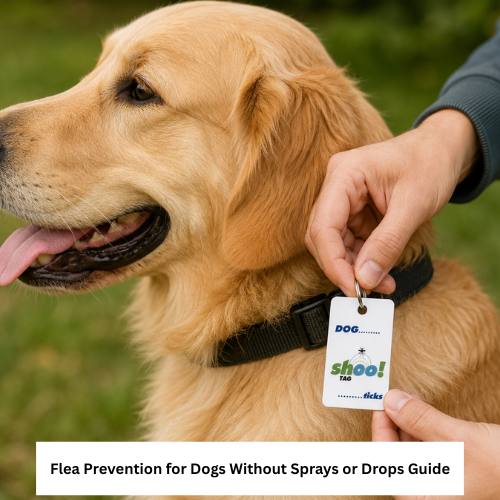
Choosing flea prevention for dogs that resist sprays or topical drops requires a practical look at wearability, grooming, home cleaning, dog sensitivity, and veterinary guidance. A tag, collar, comb, or shampoo may fit a different part of the routine, but no product suits every dog.
Before buying, confirm the dog’s age, weight, skin condition, medicines, and other pest products. Ask a veterinarian which options combined safely.
How to Compare Flea Prevention for Dogs
The best choice should match the dog’s tolerance and the type of protection the owner can use consistently.
| Option | Best use | Main advantage | What to verify |
| Wearable tag | Dogs that dislike wet applications | No liquid is applied to the coat | Product instructions, attachment, replacement period, and evidence provided |
| Flea collar | Continuous wearable option | Simple daily use after fitting | Neck size, active ingredients, age guidance, and water exposure |
| Flea comb | Routine inspection and physical removal | No product remains on the coat | Tooth spacing, safe technique, and cleaning |
| Flea shampoo | Bath based treatment or cleaning | Works during a planned bath | Label directions, skin compatibility, and repeat use limits |
| Home cleaning | Bedding and indoor flea management | Addresses part of the environment | Pet safety, surface compatibility, drying, and ventilation |
Consider a Wearable Tag Alternative
A dog flea tag can appeal to owners who want to avoid applying a liquid directly to the skin. The tag attached and used exactly as directed, and owners should verify what pests it is intended for, how long it is expected to be used, and whether water or damage affects it.
A natural flea tick prevention dog tag compared as a wearable option, but buyers should verify the current materials, attachment instructions, replacement guidance, and product claims before buying.
Continue checking the coat, bedding, and home because a wearable product does not clean the environment.
Use a Flea Comb for Inspection
A five pack plastic flea comb can support regular coat checks, but owners should confirm tooth spacing, handle quality, coat compatibility, and safe cleaning instructions.
Comb slowly and avoid pulling through mats or irritated skin. Clean the comb after every session.
Compare Bath Based Options
A sensitive skin shampoo for dogs may suit owners who prefer a controlled bath routine, but the label, dog age, skin condition, active ingredients, contact time, and repeat use directions must be verified.
Shampoo is not automatically a long term preventive. Rinse thoroughly, avoid the eyes and mouth, and seek veterinary help for a concerning reaction.
Keep a Tick Removal Tool Available
A chemical free tick removal tool can be useful for removing an attached tick when used correctly, but it does not prevent new fleas or ticks from reaching the dog.
Follow veterinary guidance for removal and aftercare. Contact a veterinarian when the tick remove completely or the dog becomes unwell.
Build a Complete Home Routine
Effective flea prevention for dogs also includes washing compatible bedding, vacuuming resting areas, checking other pets, and following veterinary advice for household treatment. Use only home products labeled for the intended surface and household situation.
Store pest products in their original containers away from food, children, pets, heat, and moisture. Never combine products without confirming compatibility.
Troubleshooting Common Problems
If the dog scratches after a new product is fitted, remove it when the label or veterinarian advises and inspect the skin. A loose tag may fall off, while a tight collar can rub or restrict the neck.
If fleas continue, check installation, intended pests, replacement timing, and home cleaning. Persistent infestation may require a veterinarian guided plan.
Common Buying Mistakes
Avoid choosing by the words natural or chemical free alone. Those terms do not confirm suitability, effectiveness, or freedom from reactions.
Also check age, weight, neck size, ingredients, return restrictions, and compatibility with current treatments.
Flea Prevention Buying Checklist
Use this flea prevention for dogs checklist before ordering.
- Confirm the dog’s age, weight, health, skin condition, and pregnancy status.
- Ask a veterinarian about compatibility with current medicines and pest products.
- Check neck fit, attachment method, ingredients, and intended pests.
- Review setup, bathing, water exposure, and replacement guidance.
- Confirm safe storage, cleaning, and disposal instructions.
- Check for replacement tags, combs, collars, or other parts.
- Review warranty, return policy, delivery, and seller support.
- Verify before buying when product claims or directions are unclear.
Conclusion
Flea prevention for dogs that dislike sprays or drops works best when the chosen wearable or grooming option fits the individual dog and is supported by coat checks, home care, and veterinary advice. Shoo tag for dogs offers relevant tags, grooming tools, shampoos, and other products for owners comparing alternatives without assuming one choice fits every pet.
FAQ
Can a flea comb replace preventive treatment?
A comb can help detect and remove fleas, but it may not provide ongoing protection or address fleas in the home.
Is a flea tag suitable for every dog?
No. Check the instructions, attachment, age guidance, health needs, and veterinary advice.
Can flea shampoo be used every week?
Only when the label and veterinarian support that frequency for the exact dog and product.
Should several flea products be combined?
Do not combine products without professional guidance because ingredients and exposure can overlap.
What should I do if my dog reacts to a product?
Follow the label, remove or rinse the product when directed, and contact a veterinarian for concerning symptoms.
bath routine, but the label, dog age, skin condition, active ingredients, contact time, and repeat use directions must be verified.
