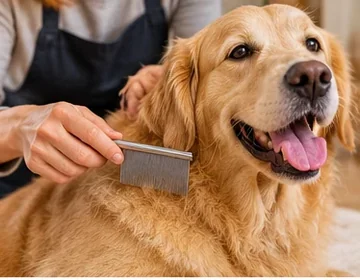
A tick remover earns its place in the drawer by helping you reach an attached tick without squeezing it unnecessarily or delaying removal. Marketing photos show hooks, cards and tweezers beside smiling dogs, but the attachment point matters more than the gadget's appearance. Choose a tool you can position accurately near the skin and learn the manufacturer-recommended motion before a real tick check becomes urgent.
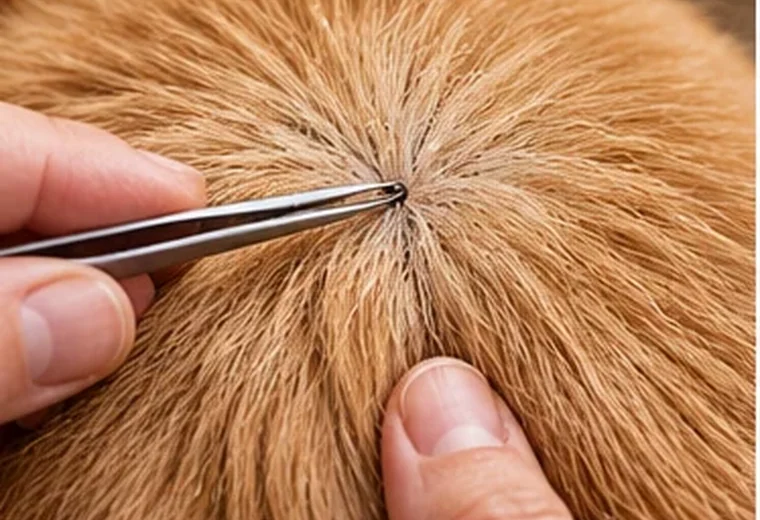
Start with the location of the attachment
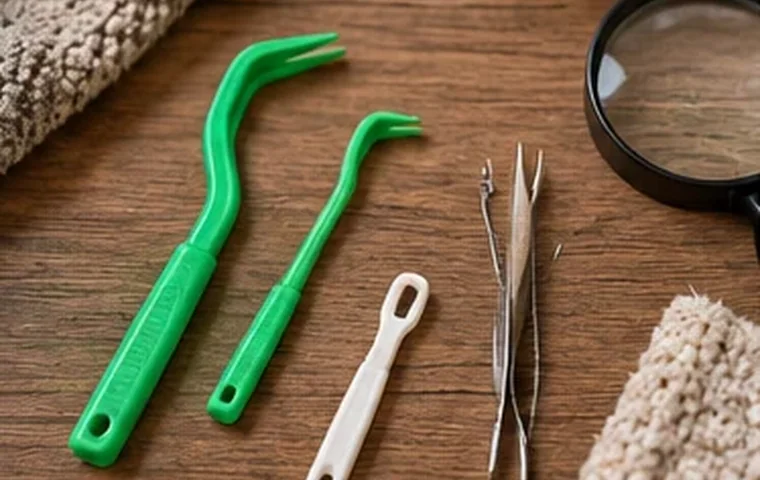
Ticks can attach in places with very little working room: near an ear, between toes or along the neck. Fine-tipped tweezers allow a close grip, while certain purpose-built devices are designed to slide beneath the tick. A broad card may store conveniently in a wallet but can feel awkward around tight folds. Device shapes are not proof that one removes every tick more safely than the alternatives.
| Tool format | Potential practical advantage | What to verify |
|---|---|---|
| Fine-tip tweezers | Precise close-to-skin grip | Tip alignment and easy cleaning |
| Hook or fork | Grip method intended for attached ticks | Correct motion and size suitability |
| Tick card | Compact carry option | Access near ears, paws and folds |
| Multi-tool kit | Backup formats for different situations | Clear directions for each included item |
Precise close-to-skin grip
Grip method intended for attached ticks
Compact carry option
Backup formats for different situations
The removal method outranks gadget branding
The CDC advises prompt removal of attached ticks using fine-tipped tweezers with steady upward pressure close to the skin. Avoid squeezing the body, twisting ordinary tweezers without instruction, or applying heat, petroleum jelly or nail polish in an attempt to make the tick release. When a specialized device uses a different technique, review its exact directions and consult veterinary guidance rather than mixing methods.
Build a kit you can actually find
A useful home or hiking kit needs a clean tool, a small container or bag where appropriate, gloves, and a way to record the bite location and date. Store the kit in a place that can be reached quickly. If the dog has sensitive skin or the tick is near an eye, ear canal or other hard-to-access region, professional removal may be safer than forcing an unfamiliar tool.
After removal, pay attention to the dog
Clean the skin as advised and monitor for irritation or illness. A visible mark is not a reliable diagnosis of tick-borne disease. Report unusual lethargy, fever, appetite changes or other concerning signs to a veterinarian; they can recommend the right next steps and whether testing is indicated. Keep prevention decisions separate from removal tools: a remover does not provide ongoing tick protection.
A Trail Kit Is Only as Good as Its Accessibility
Picture finding a tick attached between a dog's toes after a woodland walk. A wallet-size tool is convenient but may not fit comfortably into that narrow space. Fine-tip tweezers in a protective case may provide more precise access, provided the owner knows the recommended method. For another location, a manufacturer-designed hook could be practical when used correctly. The tool must be reachable, clean and accompanied by clear instructions. If the location is difficult or the dog is distressed, a veterinarian can help. This is why buying one well-understood device can be more useful than carrying several unfamiliar gadgets.
Use the catalog for tool-specific comparisons
The site's Tick Remover Tools range includes kit-style products, tweezers and compact options such as cards. For examples, see the listed HomeSake remover and TickCheck kit, but check current product details and instructions individually. The supporting guides cover outdoor checks, kit packing, mistakes to avoid and cleaning procedures without repeating the same general buying article.
Buy for grip, access and clarity of instructions—not the largest assortment of accessories. Practice reading the instructions before the tool is needed.
Compare current product listings and check their full instructions before buying. The products are catalog examples, not independently tested recommendations.
Explore Tick Remover Tools