
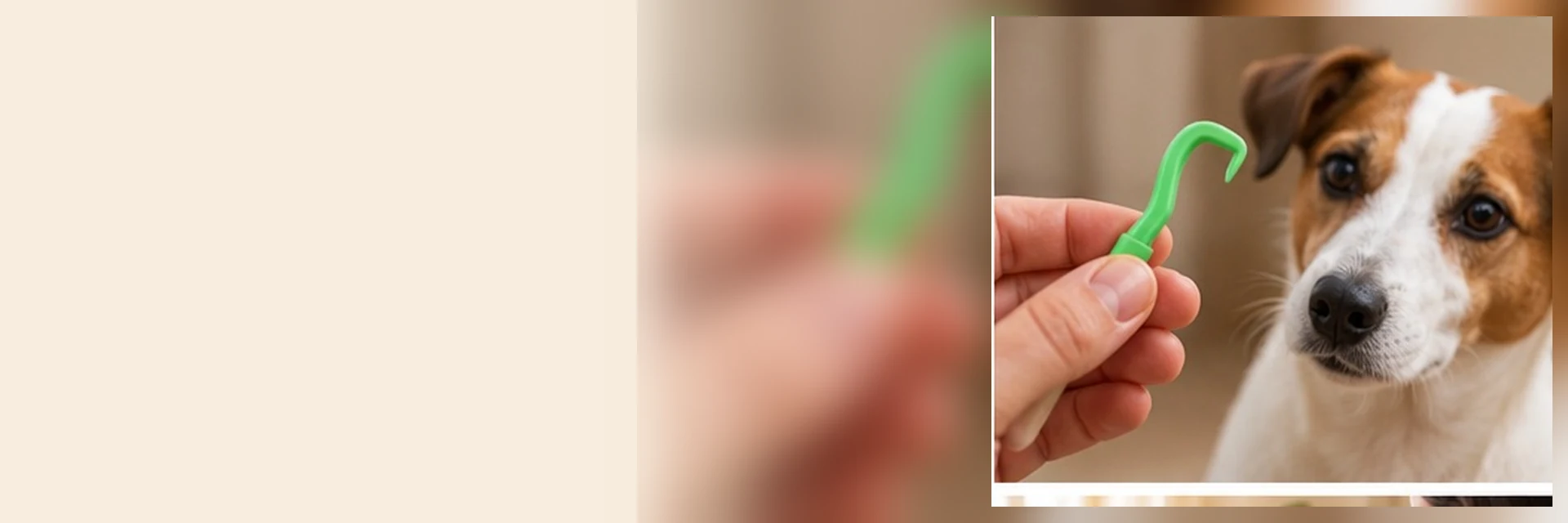
Finding an attached tick can trigger well-meant but risky advice. People may suggest burning it, smearing petroleum jelly on it or gripping it by the body with household tools. The CDC advises against these approaches. The priority is prompt removal with a method that minimizes unnecessary squeezing and leaves the skin as undisturbed as possible.
Stop trying to make the tick back out
Heat, nail polish, oils and petroleum jelly are not recommended tick-removal methods. They delay action and may irritate or injure the dog. Likewise, repeatedly poking the tick can make it harder to grasp. Gather a proper tool and use a clean, steady technique instead.
Position the tool before pulling
With fine-tipped tweezers, grasp the tick as close as possible to the skin and pull upward with even pressure. Do not squeeze its swollen body and do not jerk the tweezers. Specialized devices may have different manufacturer instructions, so do not blindly copy a method designed for a different tool.
| Tempting shortcut | Better principle |
|---|---|
| Apply heat or an oily substance | Remove promptly with an appropriate tool |
| Pinch the enlarged body | Grip near the attachment point |
| Twist ordinary tweezers rapidly | Use even upward pressure for tweezers |
| Ignore the site afterward | Clean and monitor the bite area |
Remove promptly with an appropriate tool
Grip near the attachment point
Use even upward pressure for tweezers
Clean and monitor the bite area
Know when to stop home attempts
A tick close to the eyelid or deep inside a sensitive area may be beyond comfortable home access. If parts remain or the dog becomes distressed, contact a veterinarian rather than digging into the skin. In some circumstances, professional evaluation may be needed to address irritation or infection risk.
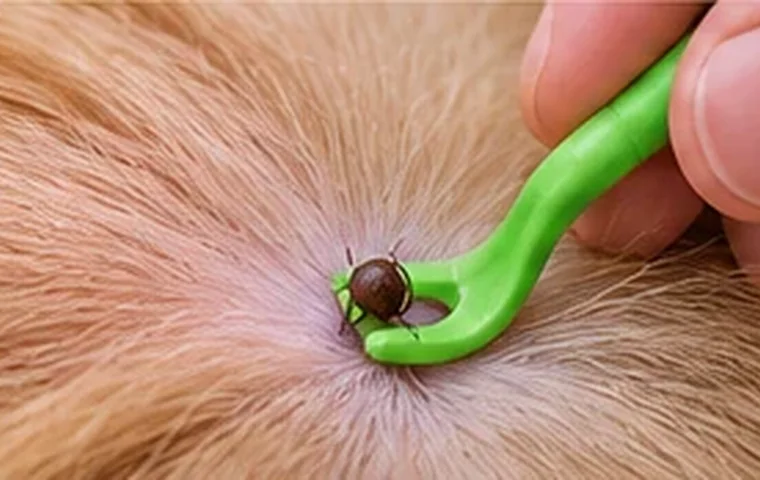
Why the Popular Match Trick Is a Bad Idea
A friend suggests bringing a flame near an attached tick to make it release. That approach risks burns and delays recommended removal. Oils and petroleum jelly present similar problems because they are not the advised way to handle an attached tick. The CDC instead recommends prompt removal using fine-tipped tweezers, grasping close to the skin with steady upward pressure. Afterward, clean the site and monitor the dog. If the tick cannot be accessed safely, professional help is a better option than trying another home remedy.
Watch the dog over the following days
Changes in behavior, energy, appetite or walking deserve veterinary attention; a bite mark alone cannot diagnose a tick-borne disease. Note where and when the tick was found. Future prevention plans should be discussed separately because removal tools do not provide ongoing protection.
Compare current product listings and check their full instructions before buying. The products are catalog examples, not independently tested recommendations.
Explore Tick Remover Tools