

A tick-removal tool buried somewhere in a car is only useful if you can find it. On a hike, the more practical question is whether your supplies are compact, clearly organized and suited to the dog's size. A dedicated pouch can be helpful, but it does not need to be expensive or full of devices that serve the same role.

Pack for access, not gadget count
Include one tick-removal tool you understand, clean gloves, a sealable bag or container as appropriate, and a small card for noting a finding. Protect sharp tweezer tips from damage. Keep a second kit at home if the hiking pouch is often forgotten in another backpack. Check equipment condition before traveling.
Think about the walk's final five minutes
Choose a safe spot for a post-walk tick check. Examine ears, collar area, between toes and other sheltered regions without pulling hard on the coat. Use good light and let the dog rest if the inspection becomes stressful. Look at yourself and other household members as well, following appropriate human tick-check guidance.
If you find an attached tick
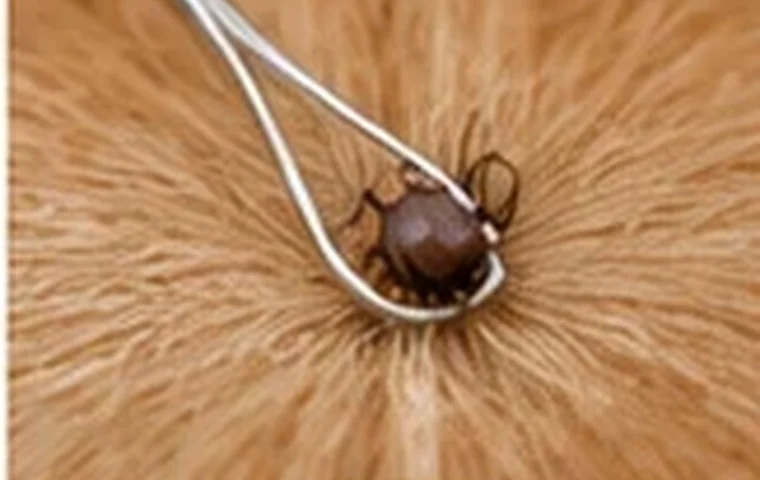
Follow an established removal method promptly; for fine-tipped tweezers, CDC guidance is to grip close to the skin and pull steadily upward. Do not burn the tick or coat it with oils. Record the date and location of the attachment and consult a veterinarian about symptoms, particularly if removal is difficult or the dog seems ill.
Returning the kit to service
After the trip, clean and dry the tools according to their instructions. Replace damaged items, restock supplies and store the bag where it will be easy to find for the next walk. A ready kit reduces frantic searching; it cannot substitute for a veterinary tick-prevention plan.
A Packed Kit Should Pass a Simple Access Test
Imagine leaving for a two-hour walk and realizing the removal tool is loose in the car glove compartment. Before the next trip, place a clean tool with protected tips, gloves and a small note card in a labeled pouch. Ask another family member to locate it without verbal directions. If they cannot, the storage system is not clear enough. This exercise is not a test of medical skill; it is a way to reduce delay during an already stressful moment. Read removal instructions at home, not for the first time on the trail.
What to compare in the catalog
The Tick Remover Tools selection contains compact multi-piece kits and individual tools. Look for clear instructions and protective storage before considering added accessories. Portability should make good technique easier, not encourage hurried or improper removal.
Compare current product listings and check their full instructions before buying. The products are catalog examples, not independently tested recommendations.
Explore Tick Remover Tools