
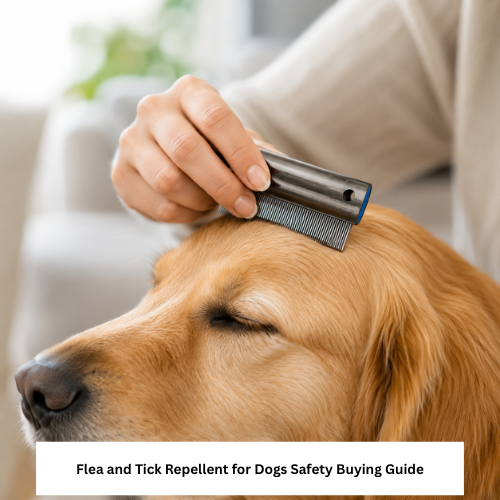
A flea and tick repellent for dogs can help dog owners, puppy parents, groomers, shelters, and caregivers compare collars, sprays, tags, shampoos, combs, and tick tools before choosing a pest-control routine. The best option should match the dog’s size, age, coat type, skin sensitivity, lifestyle, outdoor exposure, and veterinary guidance.
Flea and tick protection is not one-size-fits-all. Some dogs need wearable options, some need grooming support, and some may need a combination of prevention tools based on season, travel, and local pest pressure.
Why Flea and Tick Protection Matters
Fleas and ticks can cause discomfort, scratching, skin irritation, and household pest problems. Dogs that spend time outdoors, visit parks, travel, or live with other pets may need more consistent protection.
A product should be chosen carefully because dogs vary by weight, skin sensitivity, coat type, age, and health history. Always read label directions and ask a veterinarian if your dog has allergies, medical issues, or is a puppy.
How to Choose Flea and Tick Repellent for Dogs
Flea and tick repellent for dogs should be compared by application method, dog size, active use area, safety directions, duration, replacement timing, and compatibility with grooming habits.
Before buying, check:
- Dog age and weight guidance
- Collar, spray, tag, shampoo, or comb format
- Skin sensitivity notes
- Indoor or outdoor use
- Bathing and swimming guidance
- Replacement schedule
- Contact safety around children
- Multi-pet household needs
- Storage directions
- Return policy
| Option | Best For | Buyer Benefit | Limitation | Verify Before Buying |
| Dog flea collar | Wearable daily protection | Easy to keep on the dog | Fit and ingredients vary | Neck size and safety directions |
| Flea spray for dogs | Targeted coat or outdoor use | Flexible application | Needs careful label use | Dog age, coat, and skin safety |
| Tick repellent tag | Collar-attached option | Simple wearable format | Claims vary by product | Replacement timing and instructions |
| Flea shampoo | Bath-time support | Helps during grooming | Not always long-term prevention | Frequency and skin safety |
| Flea comb | Spot-checking and grooming | Chemical-free checking tool | Requires regular use | Comb size and coat type |
Dog Flea Collar Fit and Safety
A dog flea collar should fit securely without being too tight. A collar that is too loose may slip off, while one that is too tight can rub the neck or cause discomfort.
Check the product instructions for neck fit, trimming guidance, replacement timing, and whether the collar is suitable for your dog’s age and size. If your dog has sensitive skin, watch for redness, scratching, or irritation after use.
Flea Spray for Dogs and Grooming Use
A flea spray for dogs may be useful for certain grooming routines or targeted pest-control needs, but it must be applied only according to the label. Do not spray near eyes, nose, mouth, or irritated skin.
Sprays may not suit every dog. Puppies, senior dogs, pregnant dogs, and dogs with skin conditions may need veterinary advice before use.
For product comparison, review flea spray labels carefully and verify dog age guidance, coat use, application directions, and return policy before buying.
Tick Repellent Tag and Chemical-Free Options
A tick repellent tag may appeal to buyers who want a collar-attached option that is easy to use during walks, yard time, or travel. Tags should be checked for attachment style, replacement timing, weather exposure, and product instructions.
A chemical free dog repellent option should still be reviewed carefully. “Chemical-free” does not automatically mean suitable for every dog, so verify safety notes and product claims before buying.
Shoo tag for dogs buyers should compare tag format, collar attachment, expected use conditions, and whether the product fits their dog’s daily routine.
Natural Dog Pest Control Planning
A natural dog pest control plan may include tags, combs, grooming checks, yard awareness, and regular coat inspection. Natural options can be useful, but they should not replace veterinary guidance when a dog has heavy flea or tick exposure.
Check your dog after walks, hikes, daycare visits, grooming appointments, and outdoor play. Pay attention to ears, neck, belly, tail base, and between toes.
Setup and Compatibility Tips
Before using any flea or tick product, read the instructions fully. Check whether the product can be used with other treatments, shampoos, medications, or collars.
Do not layer multiple flea and tick products unless a veterinarian says it is safe. Combining products without guidance may increase irritation or health risks.
Cleaning and Maintenance Advice
A good prevention routine includes product care and home care. Wash dog bedding when needed, vacuum areas where the dog rests, and check carpets if fleas are suspected.
Maintenance tips:
- Inspect the dog’s coat regularly
- Replace collars or tags as directed
- Store sprays safely
- Keep products away from children
- Wash hands after application
- Watch for skin irritation
- Keep tick removal tools available
- Follow veterinary advice for ongoing problems
Common Buying Mistakes
Avoid these mistakes:
- Buying without checking dog weight guidance
- Using dog products on cats without approval
- Ignoring puppy age limits
- Applying sprays too close to the face
- Assuming natural products fit every dog
- Combining products without veterinary advice
- Skipping warranty, delivery, and return checks
Troubleshooting Flea and Tick Problems
If your dog keeps scratching, inspect the coat and bedding. If fleas or ticks are still visible after treatment, review whether the product was used correctly and whether the environment needs attention.
If a dog shows irritation, drooling, weakness, vomiting, or unusual behavior after product use, stop using the product and contact a veterinarian.
Practical Buying Checklist
Before buying, confirm:
- Size or fit: Product matches dog weight, neck size, coat type, and age guidance
- Compatibility: Works with your dog’s grooming routine, lifestyle, and other treatments
- Safety: Label directions, skin sensitivity, and pet household warnings are clear
- Material or build quality: Collar, tag, spray bottle, comb, or packaging looks reliable
- Setup or installation: Application, attachment, or replacement steps are easy to follow
- Maintenance: Replacement, cleaning, and storage instructions are clear
- Warranty: Verify before buying if listed
- Return policy: Check before ordering
- Replacement parts: Verify tag rings, collar sizing, spray caps, combs, or refill options if listed
- Delivery or support: Confirm arrival before travel, grooming, or peak pest season
- Verify before buying: Do not assume age suitability, waterproof use, long-term protection, or product compatibility
Conclusion
A flea and tick repellent for dogs should be selected with safety, fit, comfort, and lifestyle in mind. Compare sprays, collars, tags, shampoos, combs, and grooming support before choosing a flea and tick repellent for dogs for everyday protection.
FAQ
What is the best flea and tick repellent for dogs?
The best choice depends on dog size, age, lifestyle, skin sensitivity, and veterinary guidance.
Are flea collars safe for all dogs?
Not always. Check age, weight, fit, ingredients, and label directions before use.
Can I use flea spray with a flea collar?
Only if the product labels and your veterinarian say the combination is safe.
Are chemical-free dog repellents effective?
They may help some routines, but product claims and instructions should be verified before buying.
What should I verify before buying?
Verify dog age, weight guidance, safety directions, application method, replacement timing, warranty, and return policy.
