

A flea comb often brings out more than insects. It may collect loose skin, outdoor dirt, tiny seeds and dark specks from a dog's coat. Flea dirt is another possibility. Because several kinds of debris look similar at first glance, the sensible response is observation rather than a confident diagnosis from a single speck.

Start with where you found the material
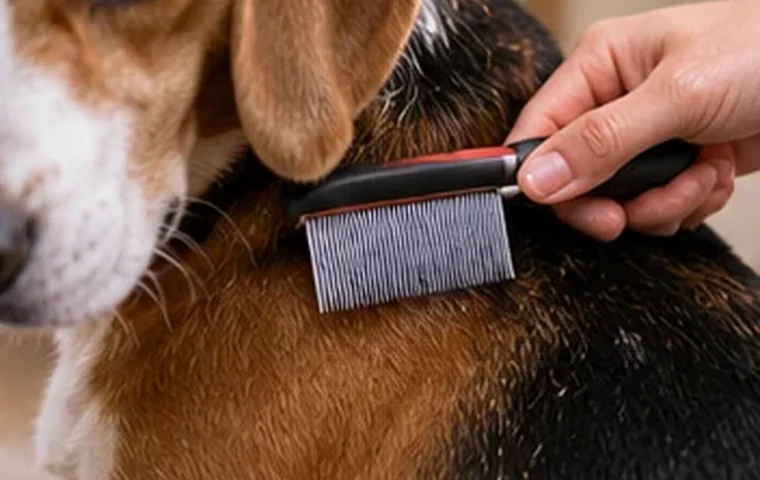
The base of the tail, neck and other protected regions are common places to inspect for flea activity. Use a fine-tooth comb gently, then tap the contents onto a light surface. Look for any moving insects as well as pepper-like particles. The absence of adult fleas in one short session does not rule out flea exposure, particularly when the dog has symptoms.
A damp-towel check is a clue, not a laboratory test
Dark flea debris can leave reddish-brown color when moistened because it contains digested blood. Place a small amount on a damp white tissue and observe any color change. However, the result is not a substitute for veterinary evaluation; other material can confuse the picture and some infestations are difficult to see. Avoid rubbing potentially irritated skin vigorously to gather more samples.
Distinguish a finding from the whole problem
Fleas develop through several stages, some of which occur in pet bedding and household spaces. Finding adult flea evidence on a comb tells you the dog deserves a broader assessment, not that combing is enough to clear an infestation. The CDC recommends coordinated attention to the pet, laundering and vacuuming when fleas are established.
What to record before calling the veterinarian
A clear photograph of the debris, the dog's symptoms, the date you first noticed it and the current prevention products may be useful. Mention scratching, hair loss, scabs, reduced appetite or other unusual behavior. A veterinarian can help determine whether fleas, another parasite, an allergy or a skin issue is involved.
What a Photograph Can Add to a Vet Visit
An owner finds dark crumbs in the dog's coat during a weekend combing. Instead of applying several products immediately, they photograph the particles on a white towel and note the date and location on the body. If symptoms continue, they take the observations to their veterinarian. A photo is not definitive proof of flea dirt; however, it can help document a changing problem. The owner can also explain whether adult insects were seen, how often the dog scratches and what prevention product was last used. Those details are more informative than the vague phrase 'something black in the fur.'
Keep the comb ready for the next check
Remove captured material into soapy water and clean the tool in a way compatible with its materials. Do not share an uncleaned comb among pets. If repeated checks reveal fleas or irritation, revisit the care plan with a professional rather than increasing chemical treatments independently. Observation is useful because it makes the next decision more informed.
Compare current product listings and check their full instructions before buying. The products are catalog examples, not independently tested recommendations.
Explore Flea Combs