

At first glance, a comb with two rows of teeth seems like it should capture twice as much as a single-row version. That conclusion is tempting but unproven from appearance alone. More teeth can change how a tool feels as it passes through fur, and a dense coat may respond differently from fine short hair. Shopping by row count alone misses the most important fit questions.
What a second row changes
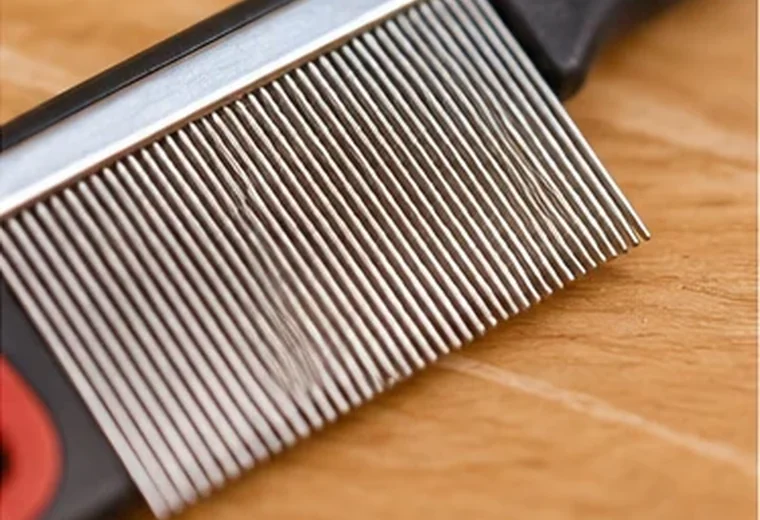
A double-row comb has two close lines of teeth that may help trap moving fleas or debris during a pass. Whether it is easier to use depends on tooth spacing, length and the distance between rows. It may also be more difficult to clean if residue settles in the gap. A single row can offer a clearer view of what is being collected and sometimes easier cleaning access.
| Design | Potential appeal | Inspect before buying |
|---|---|---|
| Single row | Simple path through fur | Teeth long enough for the coat? |
| Double row | Additional contact points | Does it snag or clog in dense fur? |
| Fine metal teeth | Close inspection | Smooth tips and sound attachment |
| Molded plastic teeth | Lightweight handling | Durability and actual tooth spacing |
Simple path through fur
Additional contact points
Close inspection
Lightweight handling
A short-coat dog and a double-coated dog
A smooth-coated dog may tolerate either style in short, careful passes, while a densely coated dog may require the fur to be parted first. In a double coat, two rows do not compensate for teeth that cannot reach beneath the surface. Select the tool by how it moves through the dog's hair, not by assuming more metal automatically means more effective control.
Cleaning may be the deciding factor
Inspect the spacing between rows in product photographs. Can you remove trapped fur without bending the teeth or scraping a finger? A comb that cannot be cleaned easily may become frustrating during repeated checks. Follow manufacturer care instructions so the tool does not rust or retain residue in inaccessible areas.

Two-Row Teeth Are Not a Substitute for Reach
A groomer-style double-row comb may look substantial, yet its short teeth could skim the top of a dense coat. In contrast, a single row with suitable reach might let an owner inspect skin through carefully parted sections. The useful comparison is how each tool moves and what it collects—not a mathematical assumption that two rows mean twice the performance. If the dog has mats, solve that grooming problem first. Then clean the chosen comb and check that neither row leaves marks or catches on sensitive areas.
Where this comparison ends
Both designs can support inspection for adult fleas and debris; neither provides preventive protection or removes immature flea stages from the home. The Flea Combs category lists examples such as Safari double-row models. Compare their individual product specifications and choose the tool that the dog can tolerate comfortably.
Compare current product listings and check their full instructions before buying. The products are catalog examples, not independently tested recommendations.
Explore Flea Combs