

Short fur makes the skin easier to see, but it also makes rough combing less forgiving. A hard metal edge may contact skin quickly. On a smooth-coated dog, careful pressure and tooth finish can matter more than the length of the comb. Choose an inspection time when the animal is calm and avoid turning a quick check into an uncomfortable grooming task.

Work with the direction of the coat
Start at the shoulder or another tolerated area. Let the teeth skim into the short fur without pushing downward. Use small, light passes and inspect the comb regularly. Near bony areas, armpits and ears, reduce pressure and consider whether a smaller head gives you better control. Any redness or resistance from the dog is a reason to stop.
Choose a tool that does not feel oversized
Long teeth designed to reach thick fur may not improve performance on a very short coat. What matters is the combination of fine spacing, smooth tips, a comfortable handle and manageable width. If the comb is too wide for a small dog, it may be difficult to avoid sensitive zones. Product dimensions and photographs can help eliminate obviously awkward designs.
Inspect the places you normally overlook
Look around the base of the tail, neck and behind the ears while remaining gentle. A flea can move quickly, so a single empty pass is not a definitive result. Record visible fleas or flea-like debris, especially when there is itching or skin irritation. Seek veterinary advice rather than attempting to diagnose a persistent rash based only on a combing session.
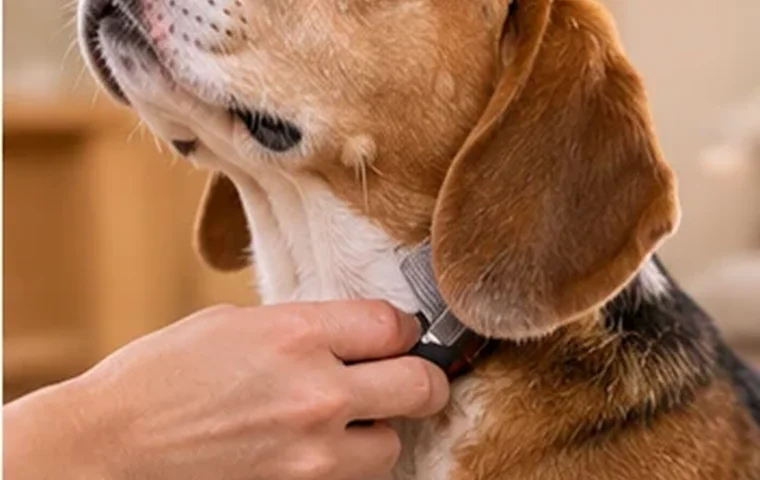
A Small Dog’s Face Requires a Smaller Working Area
A smooth-coated small dog may tolerate a fine-tooth comb over the back but pull away when the same wide head approaches the ears. Reducing the inspection area can help. Work with short, gentle strokes and consider whether a narrower comb provides better control. Never drag the tool across the eyelid or an irritated patch. If the dog resists facial handling, stop; ask the groomer or veterinarian for advice. Successful inspection is measured by useful observations and the dog's comfort, not by the number of strokes completed.
A sensible stopping rule
End the check after a few comfortable minutes or sooner if the dog dislikes the process. Clean the comb and reward calm behavior. Regular, gentle observation can provide useful information for the dog's wider parasite-care plan, but it should not become a substitute for veterinarian-advised treatment when an infestation exists.
Compare current product listings and check their full instructions before buying. The products are catalog examples, not independently tested recommendations.
Explore Flea Combs