
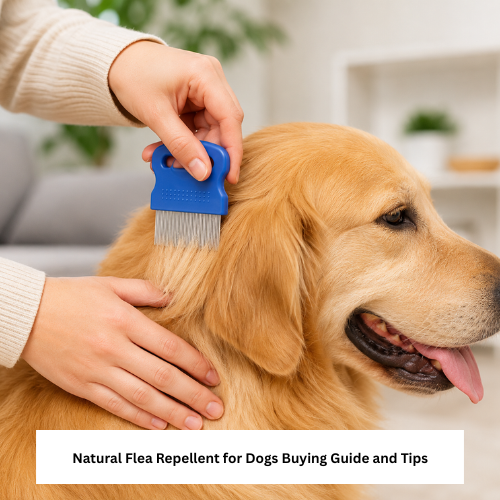
A natural flea repellent for dogs can appeal to owners who want a gentler flea and tick prevention option, but every product should be reviewed carefully before use. Buyers should check product type, dog age, skin sensitivity, outdoor exposure, instructions, home environment, and whether the product fits the dog’s routine.
Natural flea repellent for dogs may include tags, sprays, shampoos, powders, combs, collars, or other natural pet care products. No single option is suitable for every dog, so owners should compare details instead of choosing only by label claims.
Pet owners can review natural flea repellent for dogs alongside chemical-free products, flea tools, grooming items, and home care options.
Why Natural Flea Products Need Careful Review
Natural does not automatically mean suitable for every dog. Some pets may react to scents, topical products, collars, or tag-style accessories. Others may need a stronger or more complete flea prevention plan depending on exposure.
A dog that stays mostly indoors may have different needs than a dog that hikes, camps, travels, or spends time in tall grass.
For owners comparing broader natural options, all natural flea and tick prevention for dogs can help them review related prevention categories before buying.
Natural Flea Repellent for Dogs: What to Check First
When choosing natural flea repellent for dogs, start with product type. A tag, shampoo, spray, powder, comb, or collar may all be used differently.
Check:
- Product instructions
- Dog age guidance
- Skin sensitivity
- Scent tolerance
- Collar or tag comfort
- Coat length
- Outdoor exposure
- Existing flea product use
- Home environment
- Return policy
If product-specific details are not clear, verify before buying.
| Product Type | Best For | What to Verify |
| Flea repellent tag | Wearable collar use | Attachment, comfort, chewing behavior |
| Natural flea spray | Coat or area use | Application rules, scent, drying time |
| Natural flea shampoo | Bath-time support | Ingredients, frequency, skin tolerance |
| Flea comb | Physical flea removal | Teeth spacing, cleaning method |
| Flea powder | Coat or surface support | Label directions, safe use, cleanup |
| Tick remover tool | Tick removal | Tool type and removal instructions |
| Home flea treatment | Carpet or bedding issues | Surface use and pet safety guidance |
Chemical-Free Product Options
Chemical-free products may be attractive for pet owners who want to avoid certain topical treatments. However, owners should still read labels, instructions, and safety notes.
A chemical-free pet pest control category can help owners compare non-traditional flea and tick support options before choosing a product.
If your dog has sensitive skin, allergies, is pregnant, very young, senior, or taking medication, ask a qualified professional before changing flea prevention.
Flea Tags, Combs, and Grooming Tools
Flea tags may work for owners who prefer a wearable option. Flea combs can help physically remove fleas and check whether a dog has signs of flea activity.
A flea combs category can be useful when owners want a manual tool to support grooming and flea checks.
Combs do not replace full prevention, but they can help owners spot problems early.
Shampoo and Skin Sensitivity Checks
Some owners prefer shampoo-based flea care because it fits into grooming routines. But shampoos should be checked for frequency, coat suitability, scent, and skin tolerance.
Owners comparing bath-time options can review natural flea shampoo before choosing a product for regular grooming.
Do not overuse shampoos unless the instructions allow it. Too much bathing can bother some dogs’ skin.
Outdoor Dogs and Travel Needs
Dogs that hike, camp, travel, or spend time outside may need extra checks. Natural flea repellent for dogs should be considered with outdoor exposure, coat checks, bedding cleaning, and tick inspection.
After outdoor activity:
- Check ears, paws, belly, tail area, and collar area.
- Inspect bedding and travel crates.
- Clean blankets and soft surfaces.
- Use a flea comb when needed.
- Watch for scratching or discomfort.
If a product is not clearly designed for outdoor exposure, verify before buying.
Home Environment and Flea Control
Fleas may live in bedding, carpets, furniture, and yard areas. A dog product alone may not solve a home flea issue.
Owners should clean:
- Dog beds
- Blankets
- Rugs
- Carpet edges
- Crates
- Car seats
- Favorite sleeping spots
Vacuuming and washing pet bedding can support any flea prevention routine.
Troubleshooting Common Problems
Dog keeps scratching
Check the coat, skin, bedding, and flea activity. If scratching continues, ask a qualified professional.
Product scent bothers the dog
Stop use and review instructions. Some dogs may dislike scented natural products.
Fleas return quickly
Check carpets, bedding, other pets, and outdoor exposure. The environment may need attention.
The product is hard to use
Choose a format that fits your routine, such as a comb, tag, shampoo, spray, or collar-style option.
Maintenance and Replacement Advice
Natural flea products may require regular use, replacement, or reapplication depending on the product type. Owners should follow the instructions and not guess timing.
Maintenance checks include:
- Product condition
- Expiration or replacement guidance
- Collar or tag attachment
- Skin response
- Coat condition
- Home cleaning routine
- Bedding washing schedule
- Outdoor inspection habits
Practical Buying Checklist
Before buying natural flea repellent for dogs, check:
- Product type
- Dog age and size guidance
- Skin sensitivity
- Scent tolerance
- Outdoor exposure level
- Existing flea product use
- Collar or tag compatibility
- Grooming routine
- Home environment needs
- Instructions and maintenance
- Warranty or support details
- Return policy
- Delivery details
- Verify before buying if product details are unclear
Conclusion
Natural flea repellent for dogs should be chosen with care, not assumptions. Owners should compare product type, safety notes, dog comfort, outdoor exposure, home cleaning needs, and instructions before deciding which flea prevention option fits their pet.
FAQ
What is a natural flea repellent for dogs?
It is a flea prevention option that may include tags, sprays, shampoos, combs, powders, collars, or other natural pet care products.
Is natural flea repellent safe for every dog?
No. Dogs may react differently to scents, collars, tags, or topical products.
Do flea combs help with flea control?
Yes, flea combs can help detect and remove fleas, but they may not replace a full prevention plan.
Should I clean bedding too?
Yes. Fleas may be present in bedding, carpets, crates, and soft surfaces.
What should I verify before buying?
Check instructions, dog suitability, product type, skin sensitivity, maintenance needs, and return policy.
