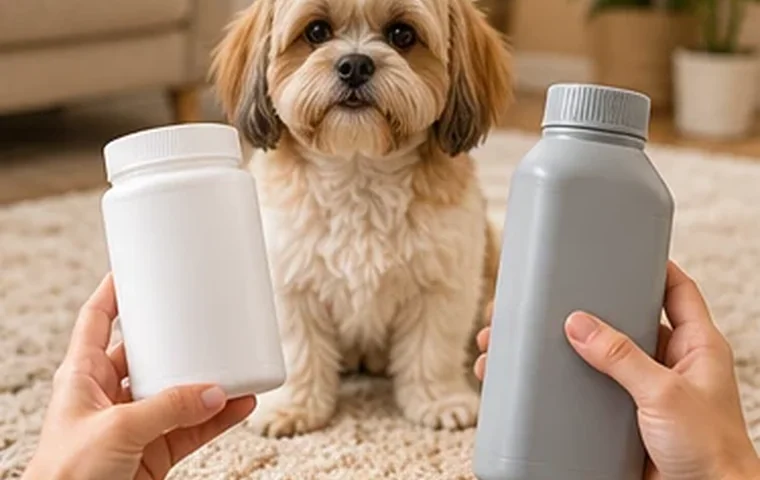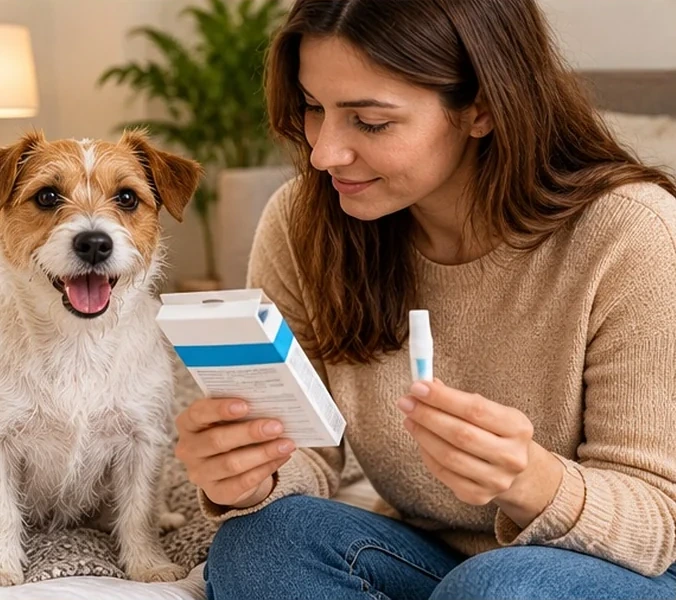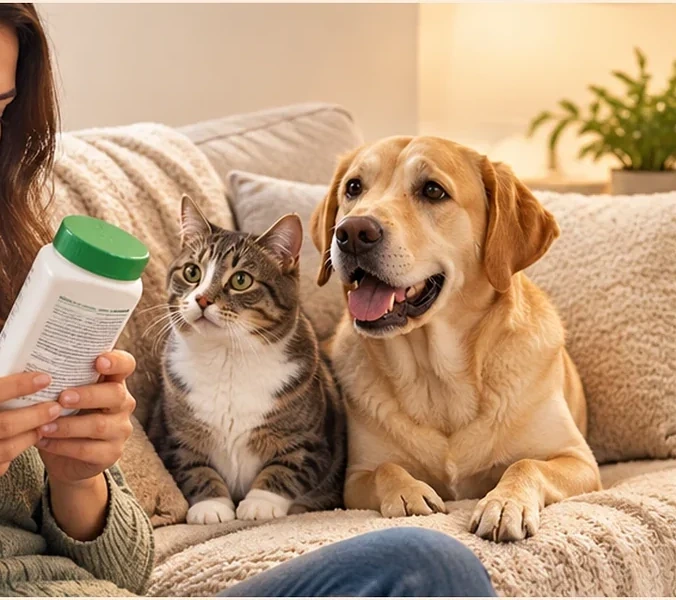
Powdered flea-related products can look alike on a shelf while serving completely different purposes. One might be intended for a dog's coat, another for a rug, and a third may be an oral supplement that should never be dusted onto the animal. The safest shopping approach begins by separating these product types rather than assuming the word powder determines the method of use.
Ask where the powder is supposed to go
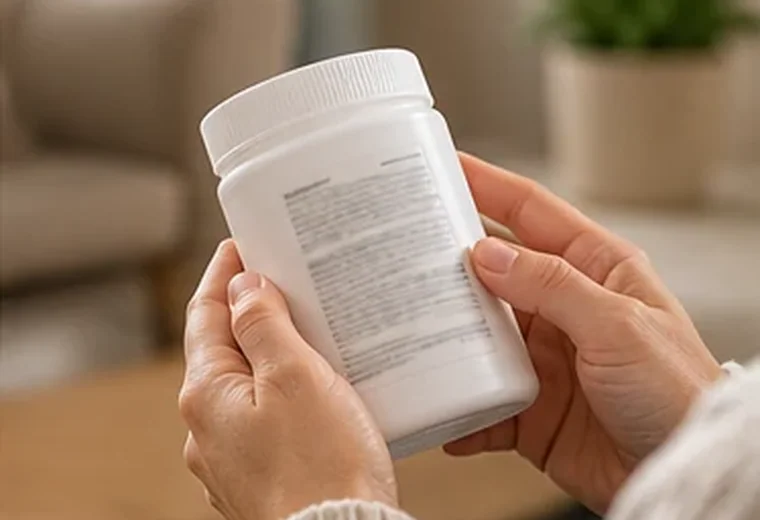
A pet-applied pesticide must expressly list the appropriate species and any restrictions. A carpet powder is a surface treatment, not a grooming aid. An internal powder has ingestion instructions and a separate claimed purpose. Read the entire current label and identify whether a product makes a regulated flea-control claim or only a wellness claim. Being sold near flea products does not make every item equivalent.
| Listing language | Intended question | Error to avoid |
|---|---|---|
| Flea powder for dogs | Is direct use on this dog permitted? | Dusting a product without checking age or species |
| Carpet flea powder | Which flooring materials are approved? | Applying a floor pesticide to an animal |
| Internal or nutritional powder | What is the actual labeled purpose? | Assuming a supplement treats an infestation |
Dust and proximity deserve extra attention
Fine particles can travel beyond the intended application point. Consult label requirements for keeping children and other animals away, ventilation and preventing inhalation during application. Avoid using additional amounts to compensate for a product that seems slow to work. If an animal reacts unexpectedly, stop use and contact the veterinarian or poison-control service as appropriate, keeping the label available. As a product listing reference, open the example product on Amazon. Use the actual product label to confirm safe handling.
Look carefully at multi-species claims
Dogs and cats differ in their sensitivity to some pesticide ingredients. Never transfer a dog-specific product to a cat or assume a label for one age group covers younger animals. Even when the pack mentions both species, confirm the separate directions and restrictions. The EPA advises species-appropriate products and following dosage and labeling exactly.
A buyer's five-item label review
Read the complete product name; locate the species and age limits; find the use site; confirm instructions for quantity and cleanup; and note any warnings about contact with eyes, breathing or other animals. For home use, ask when vacuuming is allowed. For pet use, ask the veterinarian whether this formulation suits the dog's medical and skin history. Related practical steps are covered in Vacuum Canister and Bag Disposal During Flea Cleanup.
A Shelf Comparison That Prevents a Category Mistake
Suppose three powder listings appear together: one says it is for carpet, another lists dog-and-cat directions, and a third describes an internal wellness powder. Their container shapes are similar but their use routes are not. Before comparing prices, write 'floor', 'pet' or 'ingestion' beside each product and check whether the full label agrees. Next, confirm species and age restrictions, instructions for keeping other pets away, and any ventilation or cleanup rules. An owner who cannot clearly identify the authorized use should postpone purchasing rather than trying the powder experimentally. That simple step prevents one category label from overriding the actual directions.
What the catalog actually includes
The site's Flea Powders category contains items with differing formats, including named pet dust products and some listings whose descriptions relate to oral use. That is a reason to inspect individual listings closely, not a reason to treat the category name as an application instruction. Cross-check manufacturer information before buying.
The practical rule is simple: match the product to its authorized use site first. Only then compare price, packaging and convenience.