
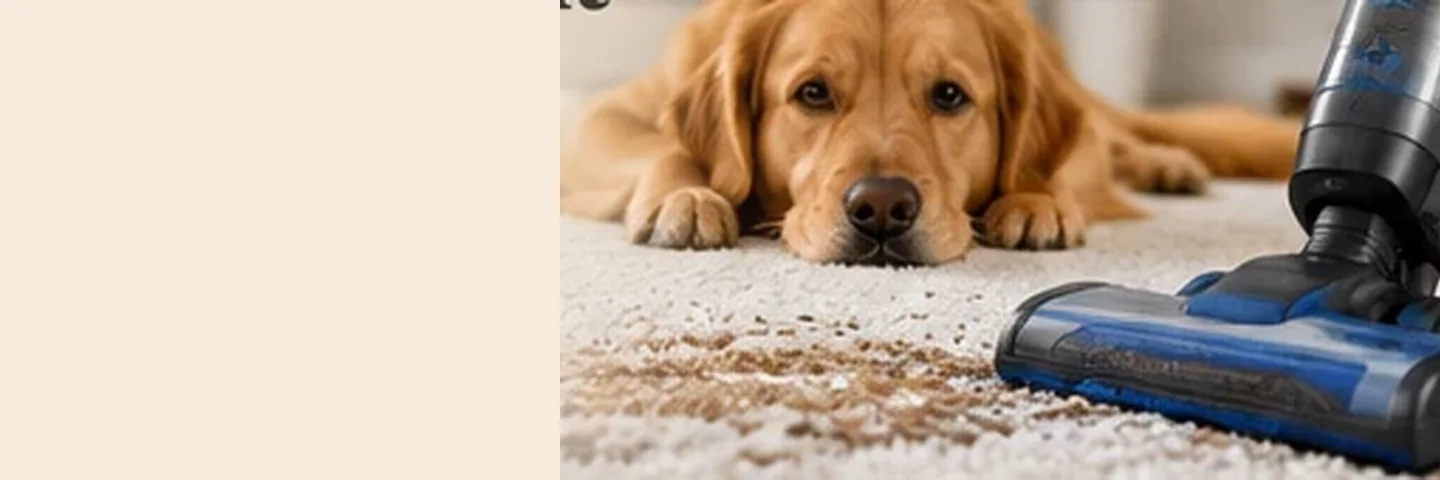
Repeated vacuuming can help remove flea stages and debris from living areas, but emptying the machine in the wrong place may scatter the material that was just collected. A canister or vacuum bag deserves the same planning as the room itself. The exact disposal method depends on the machine's design and the local waste instructions.

Know your vacuum type
A bagged machine can allow a contained change of bag, while a bagless canister must be opened and emptied. Review the manufacturer's directions to avoid damaging filters or seals. Empty collected debris away from occupied rooms where practical, and avoid letting pets investigate the contents. Do not shake dust back into the carpet.
Build a consistent disposal station
Have a waste bag ready and choose a location where debris can be contained. Wear suitable protection if the vacuum instructions or cleaning conditions require it. Close the waste securely and wash hands afterward. Never wash electrical parts or immerse the vacuum in water unless its maintenance instructions explicitly permit a given procedure.
Don't forget filters and attachments
Hair and lint can accumulate in brushes and filters. Inspect them periodically according to manufacturer instructions. A clogged machine may clean poorly, but improvising with strong chemicals on reusable filters can create another issue. Dry washable components completely before reassembly if the manual permits washing.

Repeat the cleaning where it matters
Fleas have immature life stages in household surroundings. The CDC recommends repeated sanitation as part of coordinated control. A single clean vacuum canister does not establish that an infestation has ended. Keep treating the pet appropriately under veterinary guidance and follow a realistic cleaning schedule.
Bagless Vacuums Need a Containment Plan
A clear canister is convenient because its contents are visible, but opening it over the kitchen bin after flea-related cleaning can scatter dust. Review the appliance's manual and choose a disposal area that can be managed without exposing pets or occupants to loose debris. Empty the container carefully and clean the filter only as instructed. Avoid dismantling electrical components in the sink. The process may sound mundane, yet repeatable handling of collected debris is part of maintaining a cleaner household during prolonged flea-control work.
A simple progress record
Track the areas vacuumed, the date the bag or canister was emptied, and any flea evidence observed. That record helps household members continue the routine without repeating or missing tasks. Good disposal habits support the larger cleanup; they are not a substitute for treating the underlying problem.
Compare current product listings and check their full instructions before buying. The products are catalog examples, not independently tested recommendations.
Explore Carpet Flea Powders & Sprays