

Two boxes of topical treatment can look almost identical while listing different weight bands. That matters for a growing puppy or a dog close to a cutoff. Picking a stronger tube to save money, dividing an applicator, or using a small-dog dose on a larger pet can conflict with the manufacturer's instructions. Start with a current weight measurement rather than the last number stored in your phone.
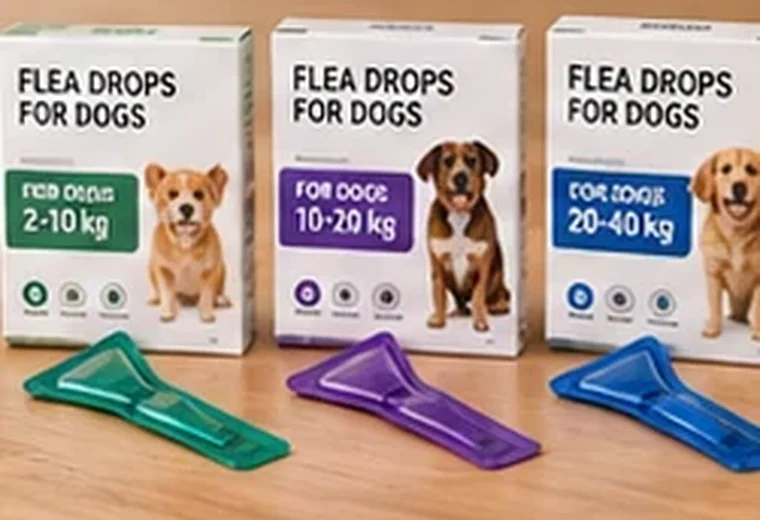
The six-pound difference that changes the decision
Imagine a dog recently weighed at 21 pounds. One package is labeled for 6–22 pounds, while another begins at 23 pounds. The right choice depends on an accurate current weight, the dog's age and the specific instructions; the presence of two neighboring labels is not permission to estimate or mix doses. If the dog's weight fluctuates or is uncertain, weigh again or ask the veterinary practice for help. Never split a dose without explicit veterinary and manufacturer guidance.
Recheck eligibility before every new package
A few months can make a large difference for a puppy. Check the minimum age, species and body-weight requirements each time you reorder. The same applies when weight changes after illness or a dietary adjustment. A past purchase receipt may identify the old formulation but cannot establish eligibility today. For households with several pets, write each animal's name and weight beside its own approved product to prevent applicator mix-ups.
The label worksheet
| Record | Example of what to note |
|---|---|
| Dog's current weight | Date and measured amount, not an estimate |
| Product's eligible band | Exact minimum and maximum printed on the box |
| Minimum age | Separate from the weight requirement |
| Target parasites | Fleas only, or other pests named on the label |
| Next administration | Interval stated for that formulation |
Date and measured amount, not an estimate
Exact minimum and maximum printed on the box
Separate from the weight requirement
Fleas only, or other pests named on the label
A Borderline Weight Is Not a Dosing Puzzle
A dog weighed 21.5 pounds at the groomer last season, but its current weight is not known. The owner notices two neighboring topical-treatment packages and wonders whether to divide a larger applicator. The safer action is to obtain an accurate weight and follow an appropriately labeled product's instructions, not to create an improvised dose. If the dog is growing or has recently changed condition, note that for the veterinarian. This example is also a useful reminder that online package imagery can be old; check the actual current label rather than assuming the image and the delivered box always match.

Buy the correct pack, then plan the next check
The site's flea-drop listings show how a product family may have multiple dog-size versions. Compare the current manufacturer's label instead of relying only on a truncated product title. If the dog's weight is on a boundary or the health history is complicated, check with the veterinarian before purchase. The right pack is the one that matches the individual dog, not the one with the greatest number of tubes.
Compare current product listings and check their full instructions before buying. The products are catalog examples, not independently tested recommendations.
Explore Flea Drops