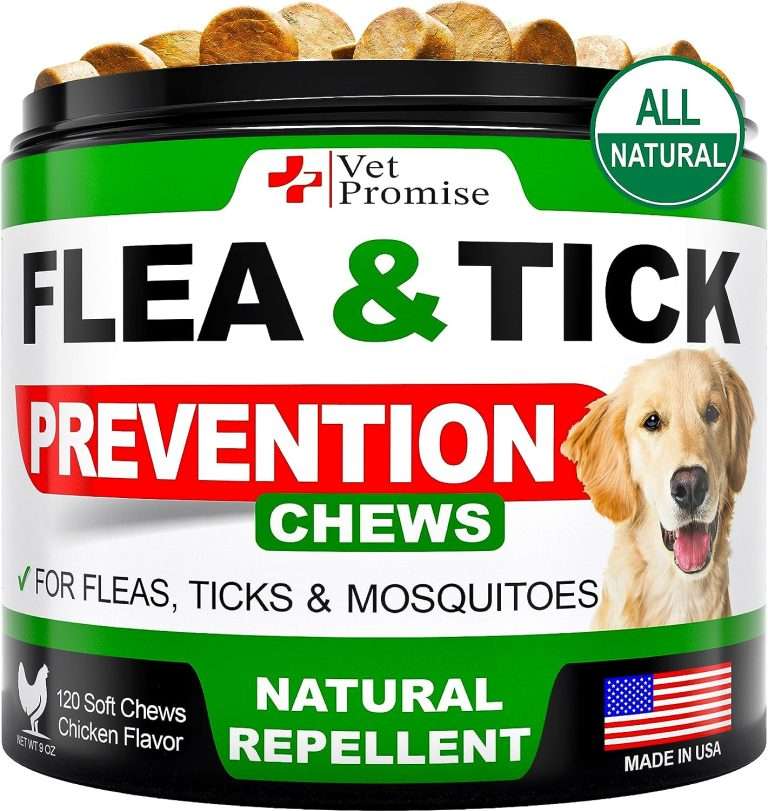
A flavored medicine may be simpler to offer than topical drops, but it still needs the same careful eligibility check. For some medications, selecting the dose depends on weight; others have minimum-age limits and specific medical warnings. A chew that worked for an adult dog is not automatically appropriate for a puppy or a new pet with a different health history.

Check the dog you have today
Weigh the animal before purchasing a new dose band. A growing dog can change categories rapidly, and an older pet may have lost weight since the previous visit. Verify the exact labeled eligibility on the current package. Never cut or divide a chew to create a different dose unless the product instructions and veterinarian explicitly permit it.
Make the medical-history discussion useful
Tell the veterinarian about previous reactions, seizures or neurologic episodes, chronic conditions, pregnancy status where relevant and other medications. The FDA has published an alert about possible neurologic adverse events with isoxazoline flea and tick medicines. The warning does not mean the products are unsuitable for every dog; it is a reason for individualized discussion.
A three-date medication card
Record the date the dog was weighed, the date the dose was given, and the next scheduled date. Keep the product name with the record. If a dog vomits shortly after administration or a dose is partly lost, contact the dispensing veterinarian for instructions rather than repeating the full amount automatically.

Watch the pet, not only the calendar
Monitor for concerning changes after a new medicine and seek veterinary attention for unexpected signs. Read the labeling on the exact formulation: approved parasite targets and dosing schedules vary. A simple calendar makes routine easier, but it cannot replace a clinical decision about which product is suitable.
An Old Weight Record Should Trigger a New Check
A rescue dog arrived at 27 pounds but has since gained condition. Its owner is about to reorder the same chewable flea medicine. Instead of assuming the previous size remains suitable, the owner weighs the dog again and checks the current label's range. The veterinarian should also know about any new medicine or neurological concern before the next dose. These steps are not paperwork for its own sake: they reduce the risk of choosing a treatment based on outdated information while giving the clinician a clearer view of the animal's current health.
The buying filter
Before selecting a chewable listing, check the active ingredient, eligibility, interval and whether the product is an actual flea medicine. If any one of those points remains uncertain, defer the purchase and clarify it with a veterinarian or pharmacist familiar with veterinary products.
Compare current product listings and check their full instructions before buying. The products are catalog examples, not independently tested recommendations.
Explore Chewable Flea and Tick for Dogs